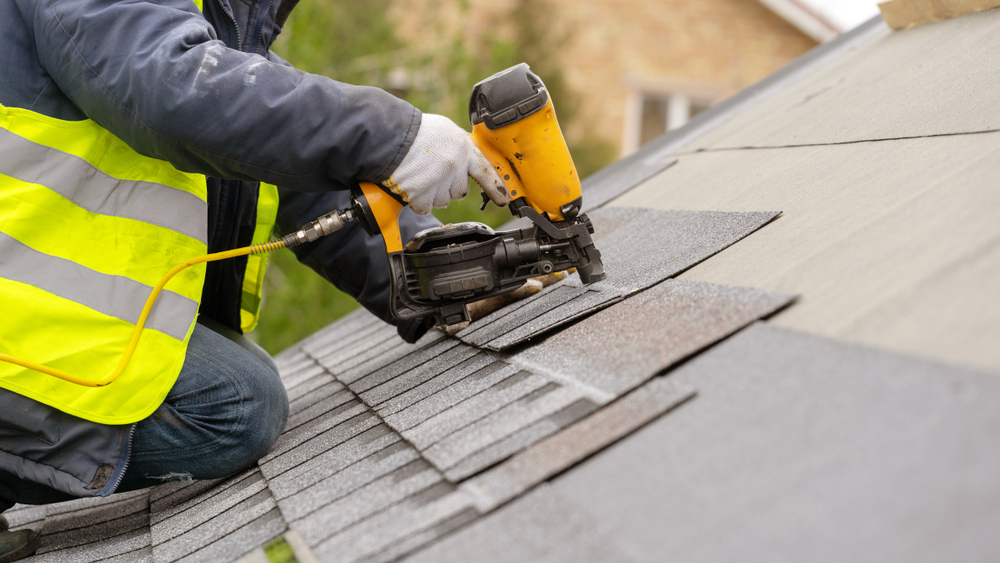
Unexpected leaks or storm damage? Our commercial roof repair services address everything from minor fixes to significant structural repairs, ensuring your business remains protected and operational.
New construction or upgrades? Our commercial roof installation services offer energy-efficient, aesthetically pleasing solutions tailored to your business’s specific requirements.
Understanding the various types of commercial roofing systems is essential for businesses looking to make informed decisions. Each roofing system, whether it's flat, sloped, or green roofing, offers unique benefits and considerations that can impact durability, energy efficiency, and overall cost.
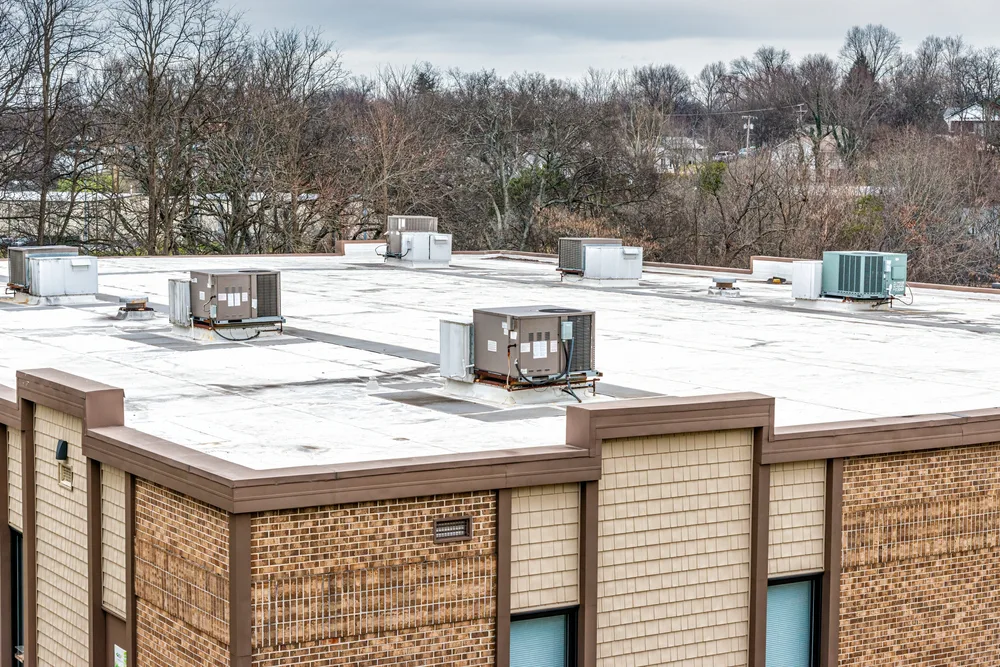
For instance, flat roofing systems, commonly used in commercial buildings, provide easy access for maintenance and installation of HVAC systems. On the other hand, sloped roofs can facilitate better water drainage, reducing the risk of leaks. Green roofs not only enhance insulation but also contribute to environmental sustainability, making them an attractive option for eco-conscious businesses.
Benefits of Professional Roofing Services
Engaging professional roofing services ensures that businesses receive expert advice and high-quality workmanship, which can save time and money in the long run. Professionals bring specialized knowledge and experience, enabling them to identify potential issues before they escalate into costly repairs.
Moreover, professional roofing services often provide warranties and guarantees, ensuring that the work is done to a high standard. This peace of mind can be invaluable for business owners, as it protects their investment and ensures that their roofing system remains functional and effective for years to come.
How to Choose the Right Commercial Roofing Contractor
Selecting the right commercial roofing contractor is crucial for the success of your roofing project. Business owners should consider factors such as the contractor's experience, reputation, and the range of services offered. Additionally, checking for proper licensing and insurance can safeguard against potential liabilities.
It's also beneficial to seek out customer reviews and testimonials to gauge the contractor's reliability and quality of work. Requesting detailed estimates and comparing them can help ensure that you receive the best value for your investment while meeting your specific roofing needs.
Understanding Roofing Maintenance Plans
Implementing a proactive roofing maintenance plan is key to prolonging the lifespan of a commercial roof. Regular inspections and maintenance can help identify minor issues before they develop into major problems, ultimately saving businesses from unexpected repair costs.
Maintenance plans typically include scheduled inspections, cleaning of debris, and minor repairs. Many contractors offer customizable plans that can be tailored to the specific needs of a business, ensuring that the roof remains in optimal condition and continues to protect the building effectively.
Understanding the various types of commercial roofing systems is essential for businesses looking to make informed decisions. Each roofing system, whether it's flat, sloped, or green roofing, offers unique benefits and considerations that can impact durability, energy efficiency, and overall cost.
For instance, flat roofing systems, commonly used in commercial buildings, provide easy access for maintenance and installation of HVAC systems. On the other hand, sloped roofs can facilitate better water drainage, reducing the risk of leaks. Green roofs not only enhance insulation but also contribute to environmental sustainability, making them an attractive option for eco-conscious businesses.
Benefits of Professional Roofing Services
Engaging professional roofing services ensures that businesses receive expert advice and high-quality workmanship, which can save time and money in the long run. Professionals bring specialized knowledge and experience, enabling them to identify potential issues before they escalate into costly repairs.
Moreover, professional roofing services often provide warranties and guarantees, ensuring that the work is done to a high standard. This peace of mind can be invaluable for business owners, as it protects their investment and ensures that their roofing system remains functional and effective for years to come.
How to Choose the Right Commercial Roofing Contractor
Selecting the right commercial roofing contractor is crucial for the success of your roofing project. Business owners should consider factors such as the contractor's experience, reputation, and the range of services offered. Additionally, checking for proper licensing and insurance can safeguard against potential liabilities.
It's also beneficial to seek out customer reviews and testimonials to gauge the contractor's reliability and quality of work. Requesting detailed estimates and comparing them can help ensure that you receive the best value for your investment while meeting your specific roofing needs.
Understanding Roofing Maintenance Plans
Implementing a proactive roofing maintenance plan is key to prolonging the lifespan of a commercial roof. Regular inspections and maintenance can help identify minor issues before they develop into major problems, ultimately saving businesses from unexpected repair costs.
Maintenance plans typically include scheduled inspections, cleaning of debris, and minor repairs. Many contractors offer customizable plans that can be tailored to the specific needs of a business, ensuring that the roof remains in optimal condition and continues to protect the building effectively.