Choosing the Right Siding for Your Home
Selecting the appropriate siding material is crucial for enhancing your home's aesthetic and functional qualities. Homeowners should consider factors such as climate, style preferences, and budget when making their decision. Each siding type has its unique characteristics that can cater to different needs, ensuring that your investment is both practical and visually appealing.
For instance, while vinyl siding is a cost-effective choice with minimal upkeep, wood siding offers a classic look that can be painted or stained to match your home's design. Fiber cement siding, on the other hand, stands out for its resistance to pests and rot, making it an excellent option for homeowners in areas with extreme weather conditions. Understanding these differences will help you choose the best siding for your circumstances.
Understanding Siding Installation Process
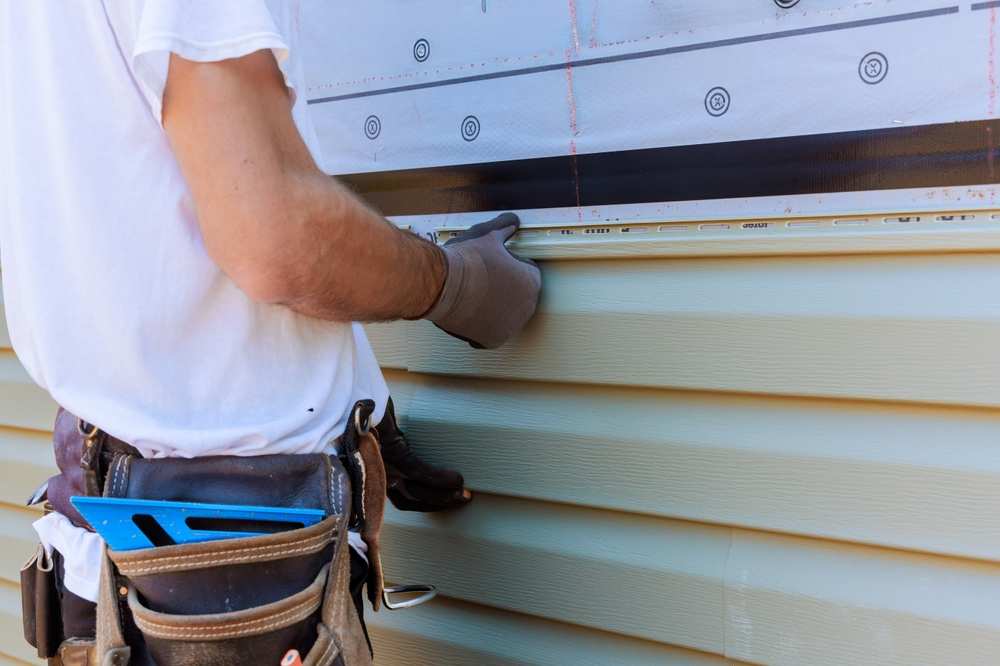
The siding installation process is a critical aspect that determines the longevity and performance of your siding. It involves several steps, including removing old siding, preparing the surface, and carefully installing the new material to ensure a secure fit. Proper installation is essential to prevent issues like moisture infiltration and air leakage, which can lead to costly repairs down the line.
Professional installers, such as those at Next Day Roofing & Gutter Solutions, follow best practices to ensure that every detail is addressed. This includes using the right tools, applying appropriate sealants, and ensuring proper insulation behind the siding. By entrusting the installation to experts, homeowners can enjoy peace of mind knowing their siding will perform optimally for years to come.
Common Siding Problems and Solutions
Homeowners may encounter various issues with their siding over time, ranging from fading paint to warping and cracking. Identifying these problems early can prevent more significant damage and costly repairs. Regular inspections and maintenance can help detect these issues, allowing homeowners to address them promptly and effectively.
For example, if you notice warping in your siding, it could indicate moisture damage that needs immediate attention. Solutions may include replacing damaged panels or applying protective coatings to enhance durability. By being proactive and working with professionals, homeowners can maintain the integrity of their siding and extend its lifespan.
Energy Efficiency Benefits of New Siding
Upgrading to new siding can significantly enhance your home's energy efficiency, leading to lower utility bills and a more comfortable living environment. Modern siding materials are designed to provide better insulation, which helps regulate indoor temperatures and reduces the need for excessive heating or cooling.
For instance, insulated vinyl siding can help decrease energy loss, while fiber cement siding offers excellent thermal performance. Additionally, some siding materials come with reflective coatings that can further minimize heat absorption during summer months. By investing in energy-efficient siding, homeowners not only improve their comfort but also contribute to environmental sustainability.